Nutrition that works with your body—not against it
Groganica MycoGreens® delivers powerful mushroom and microgreen nutrition in its most bioavailable, food-based form.

Up to 40x the nutrients
Microgreens and mushrooms deliver significantly higher levels of antioxidants, vitamins, and phytochemicals than mature vegetables.

Grown & harvested by us
Pure Kentucky Proud mushrooms and microgreens only, no fillers, sugars, or additives of any kind.

Freeze-dried for maximum nutrition
Our sublimation freeze-drying process preserves nearly all nutrients in a shelf-stable powder—unlike traditional dehydration.

Food, not supplements
MycoGreens® are whole foods your body recognizes and knows how to absorb—not extracts or synthetic isolates.
The science behind MycoGreens®
Antioxidants & phytochemicals explanation
Microgreens and mushrooms are naturally rich in antioxidants and phytochemicals—plant compounds that help protect cells from oxidative stress and support overall wellness. Because MycoGreens® are freeze-dried at peak freshness, these delicate compounds are preserved rather than degraded by heat or prolonged processing.
Cost Comparison
One teaspoon per day costs about $2—less than a smoothie, salad, or cup of coffee. MycoGreens® provide concentrated, whole-food nutrition in a simple daily serving, making consistent nutrient intake both accessible and sustainable.
Nutrient density vs adult vegetables
Microgreens can contain significantly higher concentrations of vitamins, minerals, and phytonutrients compared to their fully grown counterparts. By combining microgreens with functional mushrooms, MycoGreens® deliver a dense spectrum of nutrients in a small, easy-to-use serving.
- 1 tsp daily
- 100% pure
- ~$2 per day
MycoGreens® Ingredients
Lions Mane Mushroom
Lion’s man mushrooms are amazing for brain and overall health. They contain bioactive compounds such as hericenones and erinacines, which stimulate nerve growth factor production to promote neurogenesis, enhance cognitive function (including memory and concentration), reduce symptoms of anxiety and depression, and provide neuroprotective effects against neurodegenerative diseases like Alzheimer’s and Parkinson’s. In addition, their polysaccharides, phenolic compounds, and ergothioneine offer potent antioxidant and anti-inflammatory benefits by scavenging reactive oxygen species, modulating immune responses, supporting gut microbiota balance as prebiotics, and aiding in detoxification, cardiovascular health, and antimicrobial defense against pathogens. A 2025 narrative review in Nutrients highlighted these properties, synthesizing evidence from preclinical and limited human trials showing improvements in mild cognitive impairment, mood disorders, and overall wellness through NGF stimulation and reduced oxidative stress.

Black Poplar Mushroom
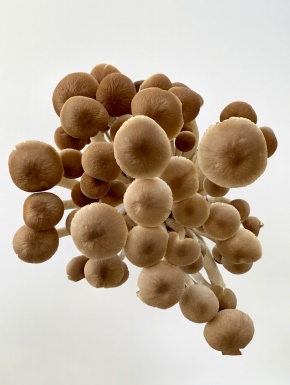
Black poplar mushrooms provide polysaccharides and other bioactive compounds that act as prebiotics, helping restore gut microbiota diversity and balance by increasing beneficial bacteria such as lactobacilli while suppressing harmful, inflammation-associated microbes. They have enhanced antioxidant enzymes to combat oxidative stress, and support digestive integrity for improved nutrient absorption and reduced aging-related damage. These mushrooms also deliver essential nutrients including proteins, vitamins, and minerals that bolster immune function, promote anti-inflammatory effects, aid in detoxification, and contribute to anti-aging properties by regulating biomarkers like telomerase and reducing oxidative markers. A 2023 study in Nutrients demonstrated that Agrocybe aegerita polysaccharides combined with Bifidobacterium lactis Bb-12 significantly restored gut microbiota in aging models, increased beneficial bacteria abundance, and attenuated oxidative stress for enhanced overall wellness.
Broccoli Microgreens
Broccoli microgreens are incredibly beneficial for mind and gut health, delivering concentrated sulforaphane from glucoraphanin that acts as a potent antioxidant and anti-inflammatory agent, enhancing cognitive function by improving processing speed, working memory, and neuroprotection while potentially slowing age-related decline and guarding against neurodegenerative conditions like Alzheimer’s. For the gut, they provide prebiotic fibers that nourish beneficial bacteria, promote microbiome balance, reduce inflammation, and support digestive integrity to protect against issues like ulcers and inflammatory bowel conditions. A 2025 study in Scientific Reports emphasized their high phenolic content (825.53 mg GAE/100 g fresh weight), the highest among tested varieties, highlighting their superior antioxidants and bioactives that bolster both neurological and gastrointestinal wellness.

Pea Microgreens
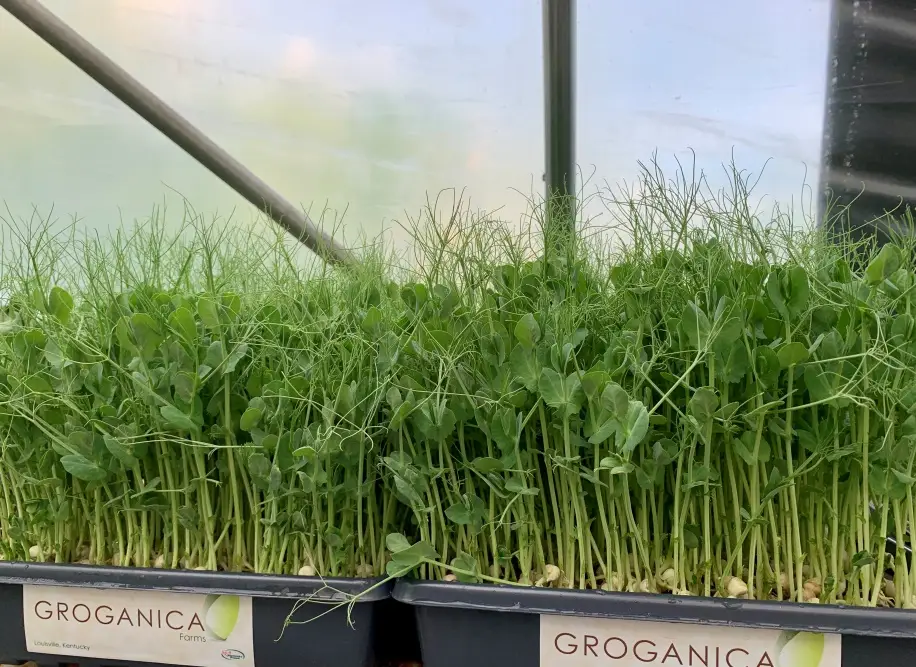
Pea microgreens are known to aid with digestive health and whole wellness, offering high levels of soluble and insoluble dietary fiber that promote regular bowel movements, support digestive function, and foster a balanced gut microbiome by modulating microbial diversity and metabolic balance, while their rich nutrient profile—including vitamins A, C, K, folate, protein, iron, manganese, phosphorus, and copper—boosts immune function, bone strength, cardiovascular health, energy levels, and detoxification processes. These young shoots also contain antioxidants and bioactive compounds like flavonoids that help regulate gut bacteria, reduce inflammation, and aid in blood sugar control. A 2025 review in Frontiers in Nutrition emphasized the digestive health benefits of peas, including microgreens, noting their fiber and peptides’ role in restoring gut microbiota composition and enhancing overall metabolic health.
Radish Microgreens
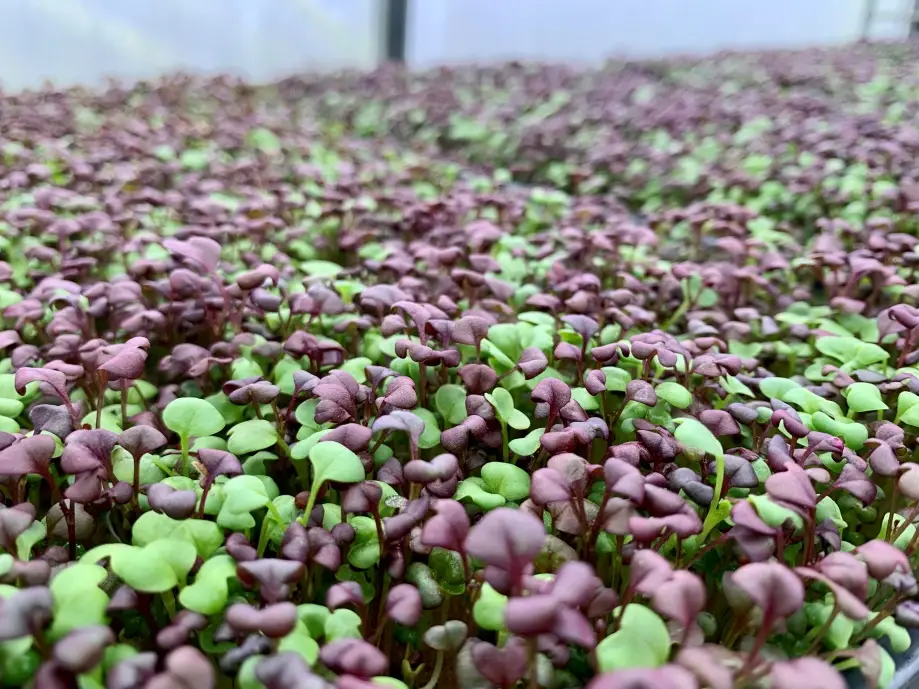
Radish microgreens provide a wealth of bioactive compounds like polyphenols, flavonoids, and glucosinolates that act as potent antioxidants and anti-inflammatory agents, supporting digestive function by promoting beneficial gut bacteria, modulating microbial diversity to enhance microbiome balance, and aiding in the catabolism of compounds during colonic fermentation for improved nutrient absorption and reduced oxidative stress. These nutrient-dense shoots also deliver essential vitamins such as A, C, and K, along with minerals like potassium, calcium, and iron, which bolster immune response, cardiovascular health, bone integrity, and detoxification processes while potentially lowering risks of chronic conditions like cancer and metabolic disorders. A 2025 study in Food Chemistry explored the in vitro digestion and colonic fermentation of polyphenols from radish microgreens, revealing how varietal differences and growth conditions influence their transformation by gut microbiota, thereby boosting bioavailability and underscoring their role as functional foods for gastrointestinal and systemic wellness.